
Well Depth Impact on Pricing
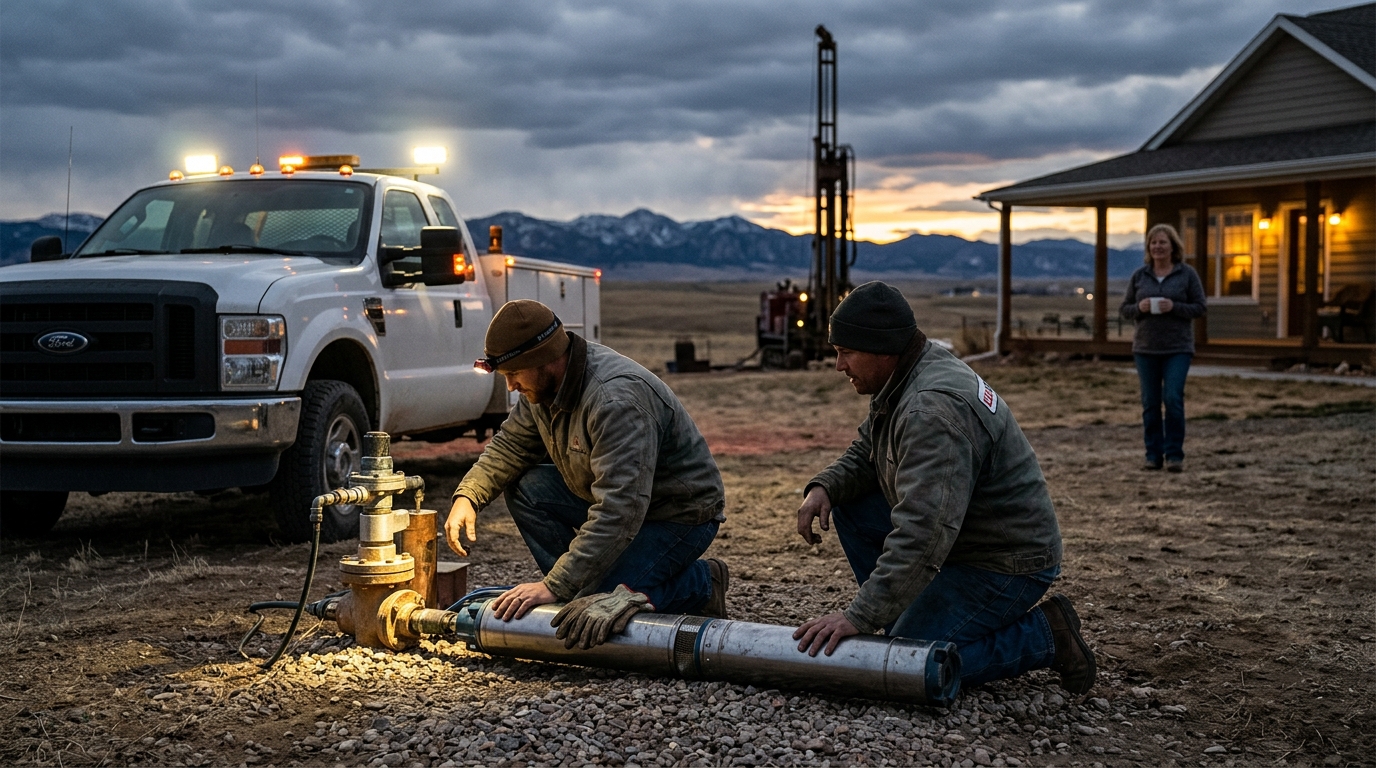
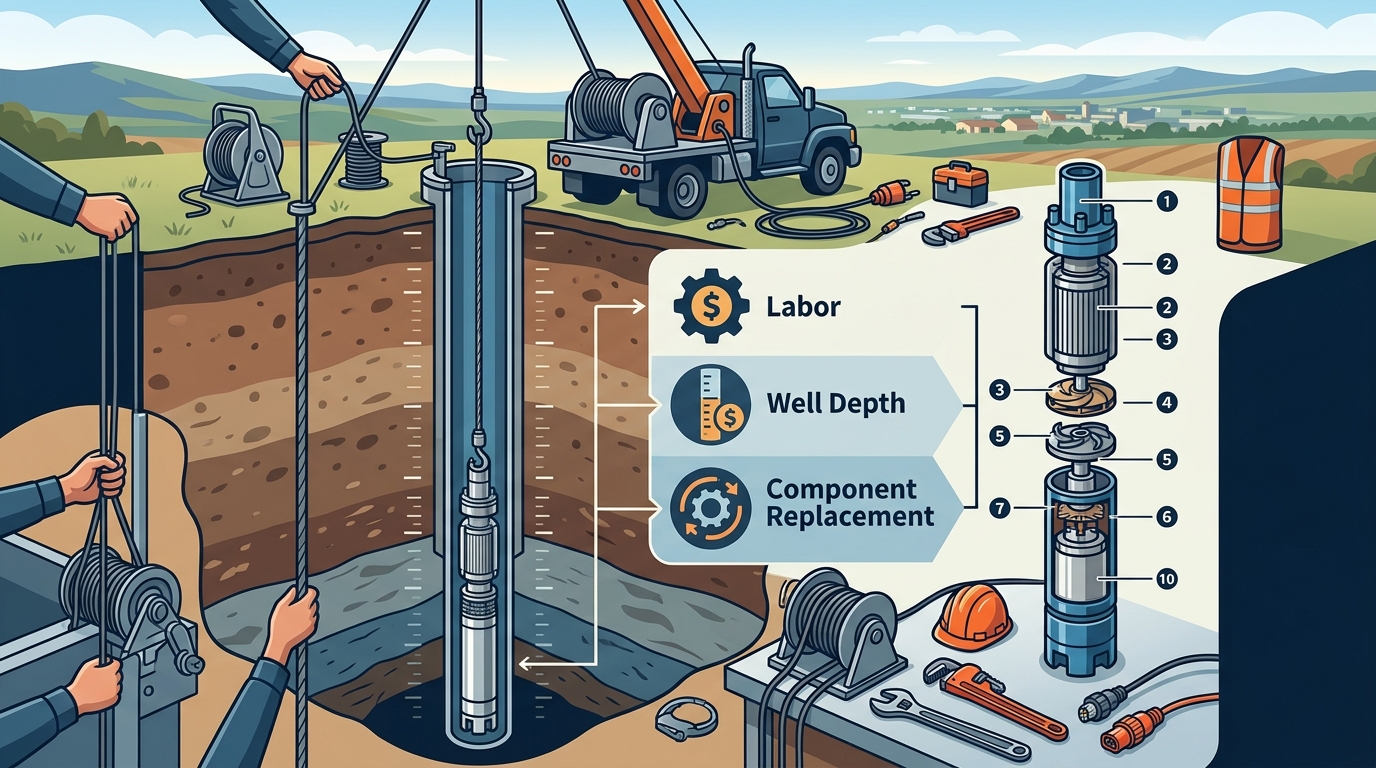
Well depth is the single most significant variable in determining the cost of submersible pump service. A submersible pump is a motorized device installed deep within the well casing to push water to the surface. The deeper the pump sits, the more labor and specialized equipment are required to retrieve it. In Cheyenne and Southeast Wyoming, well depths vary widely based on local geology and water table levels.
Labor and Equipment Requirements
Technicians must use specific tools to pull a pump from a well. For shallower wells, standard rigging may suffice. However, for deeper installations, specialized retrieval tools and extended time are necessary. This increases the labor hours billed to the customer. The physical effort required to lift a heavy pump from 300 feet versus 100 feet is substantial. This difference directly impacts the final invoice. For additional details, review the About Us LG Drilling.
Geological Factors in Wyoming
Wyoming geology can present unique challenges. Hard rock formations or complex casing conditions can slow down the retrieval process. If the well casing is damaged or the pump is stuck, the repair cost escalates significantly. Understanding your well depth helps in anticipating these potential complications. It allows for more accurate budgeting before the service truck arrives.
Pump Replacement Costs
When a pump fails beyond repair, replacement is the only option. The cost of a new submersible pump is a major component of the total repair bill. Prices vary based on the pump's horsepower, flow rate, and brand. A standard residential pump might cost less than a high-capacity agricultural unit. The hardware cost is separate from the labor required to install it.
Horsepower and Flow Rate
Pumps are rated by horsepower and gallons per minute (GPM). A 1/2 HP pump is common for small households. A 3 HP pump might be needed for larger homes or agricultural use. Higher horsepower pumps are more expensive. The choice depends on your water demand and the well's static and drawdown levels. Selecting the wrong size can lead to premature failure or insufficient water pressure.
Brand and Quality
After-Hours and Emergency Fees
Water emergencies do not wait for business hours. After-hours service typically incurs a premium fee. This surcharge compensates technicians for working outside standard schedules. It covers weekends, nights, and holidays. The fee structure varies by company but is generally a percentage of the total job cost or a flat rate.
24/7 Availability
LG Drilling offers 24/7 emergency service. This means technicians are on call around the clock. The after-hours fee ensures that a technician can respond quickly when you need them most. While the fee adds to the cost, it provides peace of mind. Knowing that help is available at any time is valuable for homeowners and businesses alike.
Response Time
Emergency response times are critical. LG Drilling aims to respond within 15 minutes of a call. This rapid response can often resolve the issue the same day. The speed of service is a key factor in the overall value of emergency repair. Quick resolution minimizes the time your water system is offline.
Component Repair Costs
Common Component Failures
Seals are a frequent point of failure. Worn seals allow water to enter the motor, causing short circuits. Replacing seals is a common repair task. Capacitors can also fail, preventing the pump from starting. These parts are relatively inexpensive but require skilled labor to replace. The cost of parts is usually a small fraction of the total repair bill.
Repair vs. Replace Decision
Emergency Repair Pricing Structure
Emergency repair pricing combines several factors. It includes the base service call fee, labor hours, parts, and any applicable surcharges. The base fee covers the initial dispatch and diagnostic work. Labor is billed by the hour or in increments. Parts are charged at cost plus a markup. Understanding this structure helps you understand the final invoice.
Service Call Fee
A service call fee is charged for the technician's time to arrive and diagnose the problem. This fee is often applied even if no repair is performed. It covers the travel time and initial assessment. The amount of the service call fee varies by company. It is a standard practice in the well drilling and pump service industry.
Labor and Parts
Labor costs are based on the time spent on the job. Complex repairs take longer and cost more. Parts costs depend on the specific components needed. The total emergency repair price is the sum of these elements. Transparency in pricing is essential for customer trust. LG Drilling provides clear estimates before beginning work.
Total Emergency Repair Costs
The total cost of an emergency well pump repair is the sum of all individual components. It includes the service call fee, labor, parts, and after-hours surcharges. For a simple repair, the total might be on the lower end of the range. For a full pump replacement in a deep well, the cost will be higher. Here is a comparison of typical scenarios.
| Scenario | Estimated Cost Range | Key Factors |
|---|
These ranges are estimates and can vary based on specific site conditions. The table provides a general framework for budgeting. Actual costs depend on the unique circumstances of your well. It is always best to get a detailed quote from a professional.
Key Takeaways
- Well depth significantly impacts labor costs for pump retrieval and installation.
- Pump replacement costs vary by horsepower and brand, ranging from hundreds to thousands of dollars.
- After-hours service incurs a premium fee but ensures 24/7 availability.
- Component repairs are often cheaper than full replacements but depend on the pump's age.
- Emergency repair pricing includes service call fees, labor, parts, and surcharges.
- LG Drilling offers rapid response times and transparent pricing for water emergencies.
- Regular maintenance can prevent costly emergency repairs and extend pump life.
Frequently Asked Questions
How much does it cost to replace a well pump in Cheyenne?
Do emergency well pump repairs cost more?
Yes, emergency repairs often cost more due to after-hours surcharges. These fees compensate technicians for working outside standard business hours. The premium ensures rapid response and availability when you need it most.
How deep is a typical well in Wyoming?
Well depths in Wyoming vary widely, but many residential wells are between 100 and 300 feet deep. Agricultural wells can be much deeper. The depth depends on local geology and water table levels.
Can a well pump be repaired instead of replaced?
How quickly can LG Drilling respond to an emergency?
LG Drilling aims to respond to emergency calls within 15 minutes. The team is on call 24/7, 365 days a year. This rapid response helps minimize downtime for your water system.
What factors affect the cost of well pump repair?
Key factors include well depth, pump horsepower, the specific component that failed, and whether the service is performed after hours. Labor costs and parts prices also play a significant role.
Conclusion
Understanding the costs associated with urgent well pump repair is essential for homeowners and businesses in Cheyenne, Wyoming. By knowing the factors that influence pricing, you can make informed decisions and budget effectively. LG Drilling provides expert service with transparent pricing and rapid response. For reliable water system maintenance and emergency repair, contact LG Drilling today.