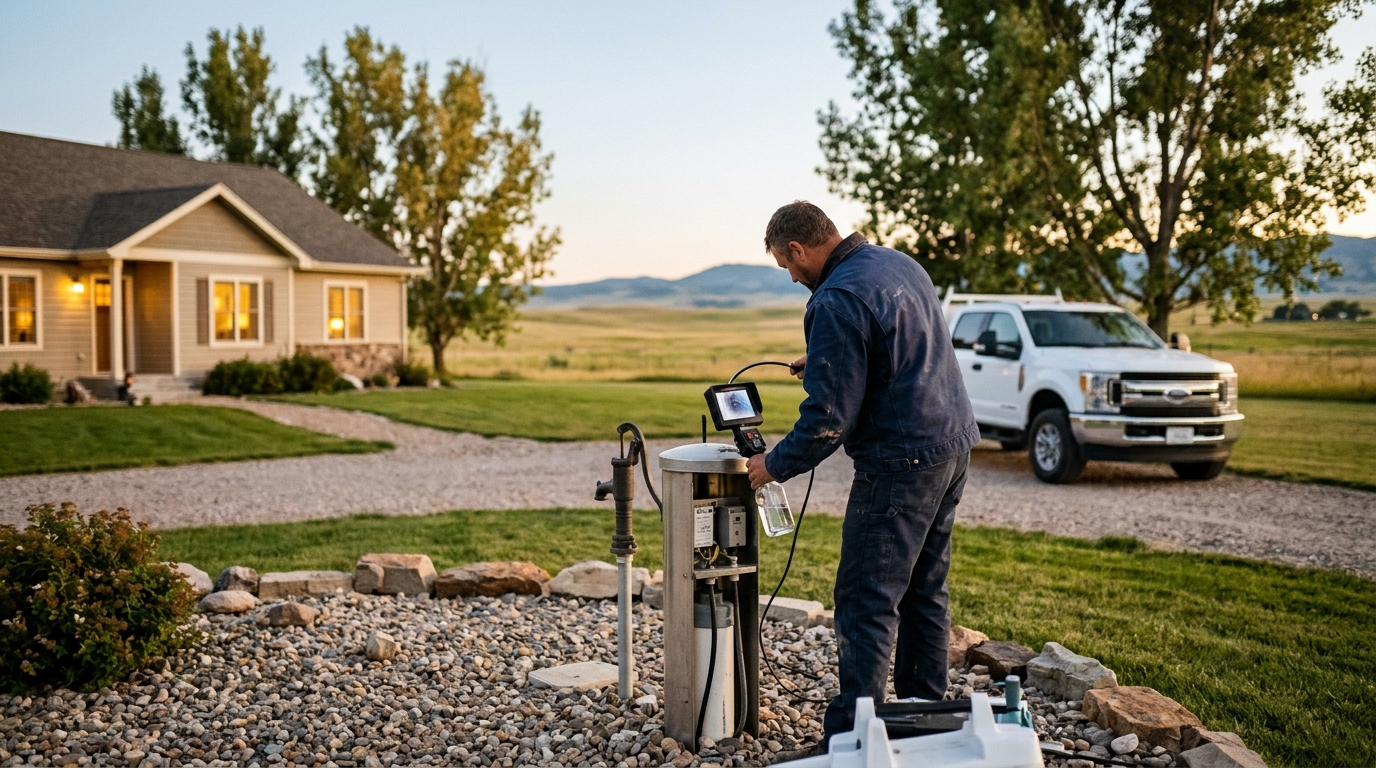
Regular private well maintenance involves routine inspections, water quality testing, and mechanical servicing to ensure safe and reliable water supply. This proactive approach prevents costly failures and protects public health. LG Drilling in Cheyenne, Wyoming, emphasizes that proper construction and continued maintenance are the keys to a safe water supply.
Core Components of Routine Maintenance
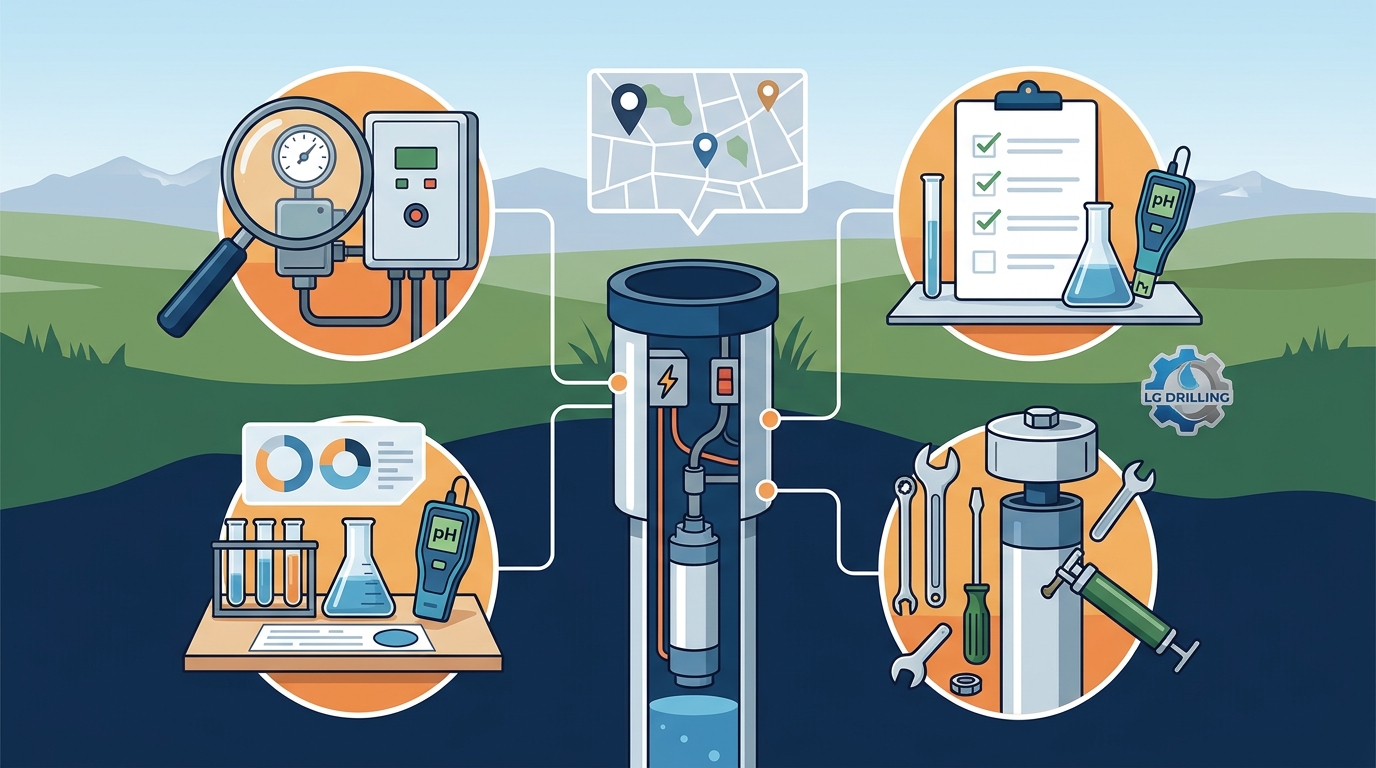
Well maintenance is the systematic process of inspecting, cleaning, and servicing the physical components of a water well system. It is distinct from simple water testing, as it addresses the mechanical integrity of the infrastructure. The primary focus is on preventing contamination and equipment failure before they occur.
Cap and Sealing Integrity
The well cap is the first line of defense against surface contaminants. A properly sealed cap prevents debris, insects, and surface water from entering the well casing. Technicians inspect the cap for cracks, loose fittings, and corrosion. In Wyoming, where wind-blown dust and snowmelt are common, a compromised seal can quickly introduce bacteria into the water supply.
Pump and Electrical Systems
Water Quality Testing and Disinfection
Annual Bacteria Testing
Coliform bacteria testing is recommended at least once a year. This test indicates whether surface water or sewage has contaminated the well. If coliforms are detected, a disinfection procedure is required. This involves adding a chlorine solution to the well and flushing the system until the water tests negative.
Chemical Contaminants
Depending on local geology, wells may be susceptible to specific chemical contaminants. In Wyoming, high mineral content can lead to issues with hardness, iron, or manganese. Regular testing helps identify these trends early, allowing for the installation of appropriate water treatment systems if necessary. according to Environmental Public Health
Seasonal Timing and Climate Considerations
Seasonal maintenance is the practice of scheduling well inspections based on climatic conditions and usage patterns. The University of Nebraska-Lincoln (UNL) notes that mid-late spring or early summer is the prime time to conduct a private well maintenance check. This timing allows for repairs before the peak summer usage period.
Spring Inspection Benefits
Spring inspections are critical because they occur after the winter freeze-thaw cycles. These cycles can cause ground movement, potentially shifting well casings or damaging surface piping. Identifying these issues in spring prevents water outages during the hottest months when demand is highest.
Winterization
In Cheyenne, Wyoming, winterization is a vital part of maintenance. This involves ensuring that outdoor spigots are properly drained and that the wellhead is insulated against extreme cold. LG Drilling’s team is available around the clock to address water emergencies, but proper winterization prevents the majority of freeze-related failures.
Regulatory Standards and Best Practices
Well construction standards are the technical specifications that ensure a well is built to protect the aquifer and the user. The Indiana Department of Environmental Public Health outlines recommended standards for private water wells, including location, construction, and disinfection. While regulations vary by state, these core principles apply universally.
Location and Separation
Proper well location is a permanent aspect of maintenance. The well must be separated from potential sources of contamination, such as septic systems, livestock areas, and chemical storage. If a well is located too close to these sources, no amount of maintenance can fully mitigate the risk of contamination.
Documentation and Records
Maintaining a log of all maintenance activities, test results, and repairs is a best practice. This documentation helps identify patterns in water quality or equipment performance. It also provides valuable information for future technicians or homeowners.
LG Drilling: Local Expertise in Cheyenne
LG Drilling is a comprehensive service provider specializing in well drilling, pump installation, and water system repairs for residential and commercial clients in Cheyenne and Southeast Wyoming. The company positions itself as a local expert for everything related to water wells. Their team of technicians is available around the clock to address water emergencies and maintain the integrity of water infrastructure for the community.
Comprehensive Service Offerings
LG Drilling offers a full range of services, including well drilling, service and repair, and water treatment. This integrated approach ensures that all aspects of the water system are addressed by a single, knowledgeable team. For agricultural clients, LG Drilling provides specialized agriculture well services tailored to the high-volume demands of farming and ranching.
Emergency Response
Water outages are emergencies, especially in rural areas. LG Drilling provides 24/7 emergency service for weekends and nights. This availability is crucial for maintaining reliable water access in harsh weather conditions. To plan your visit or schedule a routine inspection, you can directly.
Key Takeaways
- Well maintenance is the systematic process of inspecting, cleaning, and servicing well components to ensure safety and reliability.
- Proper well construction and continued maintenance are keys to the safety of your water supply, according to the EPA.
- Mid-late spring or early summer is the prime time to conduct a private well maintenance check, as recommended by UNL.
- Annual bacteria testing is essential to detect contamination from surface water or sewage. according to Environmental Public Health
- Seasonal maintenance, including winterization, is critical in cold climates like Wyoming to prevent freeze-related failures.
- LG Drilling in Cheyenne, Wyoming, offers 24/7 emergency service and comprehensive well maintenance for residential and commercial clients.
Frequently Asked Questions
How often should I test my private well water?
You should test your well water for bacteria at least once a year. Additional testing for chemical contaminants may be recommended based on local geology or previous test results. according to Environmental Public Health
What is the most common cause of well failure?
The most common causes of well failure are pump burnout and contamination. Regular maintenance of the pump and proper sealing of the well cap can prevent many of these issues.
Can I maintain my well myself?
While you can perform basic checks like monitoring water pressure and flow, professional maintenance is required for disinfection, pump servicing, and cap repairs. LG Drilling provides these specialized services in Cheyenne, Wyoming.
What should I do if my well water tastes bad?
If your well water tastes bad, has an unusual odor, or appears discolored, you should stop using it for drinking and test it immediately. Contact a professional well service provider for an inspection.
Does LG Drilling offer emergency service?
Yes, LG Drilling offers 24/7 emergency service for weekends and nights. This ensures that water emergencies are addressed promptly, even in harsh weather conditions.