
Factors Influencing Repair Costs
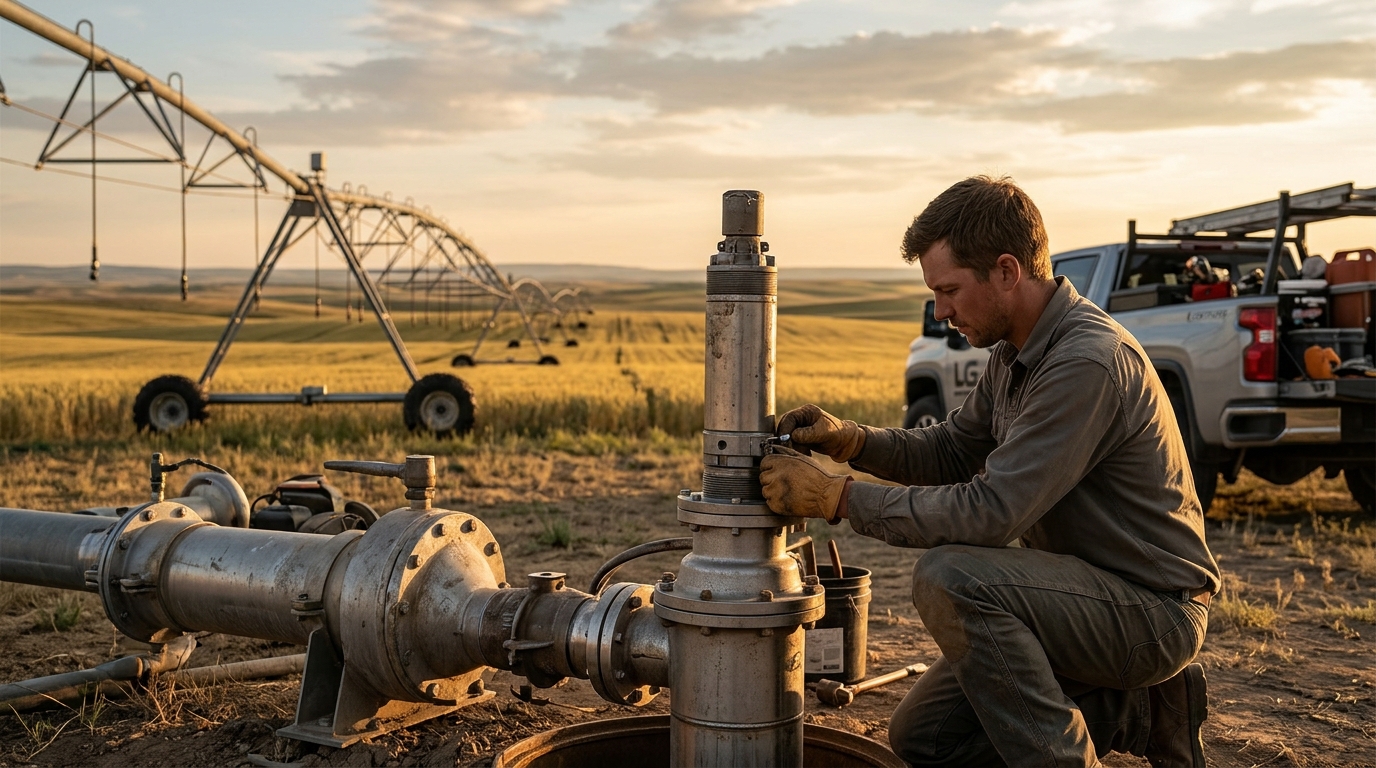
Several variables dictate the final invoice for agricultural pump repairs. The most significant factor is among the type of pump installed. Submersible pumps, which are common in deep agricultural wells, often require specialized tools and labor to retrieve and service. Jet pumps, used in shallower systems, are generally less expensive to repair but may require more frequent maintenance due to exposure to surface conditions. For additional details, review the About Us LG Drilling.
Depth of the well is another critical cost driver. Drilling and retrieval costs increase with depth. A pump located 100 feet underground is significantly cheaper to service than one at 400 feet. Labor rates in Wyoming also play a role. While rural areas may have lower base rates, the travel time for technicians to reach remote ranches can add to the total cost. LG Drilling, based in Cheyenne, offers 24/7 emergency service, which may carry a premium but ensures rapid response for critical agricultural operations.
Finally, the specific component failing determines the parts cost. A simple pressure switch replacement is a minor expense, whereas a motor burnout requires a new motor or full pump replacement. Understanding these factors allows you to anticipate costs before a failure occurs.
Common Repairs and Price Ranges
Prevention Strategies to Save Money
Proactive maintenance is the most effective way to control repair costs. Regular inspections can identify minor issues before they escalate into major failures. LG Drilling offers comprehensive inspection services that include visual checks of plumbing and electrical components, as well as submersible camera inspections. These inspections can detect corrosion, wear, or sediment buildup that might otherwise go unnoticed.
Water quality also impacts pump longevity. High mineral content or sediment can clog pump components and accelerate wear. Installing a sediment filter or water treatment system can protect your pump and extend its life. LG Drilling specializes in water treatment solutions, including filtration and softening systems, which can reduce the frequency of repairs. By addressing water quality issues, you protect your investment in the pump and well infrastructure.
Another key strategy is monitoring pump performance. Keep track of how often the pump cycles and any changes in water pressure. Unusual cycling or a drop in pressure can indicate a developing problem. Early detection allows for minor repairs rather than emergency replacements. This approach saves money and ensures consistent water supply for your livestock or crops.
Emergency Response and Service Availability
When a pump fails, time is critical, especially for agricultural operations. A lack of water can stress livestock or damage crops within hours. Emergency service rates are typically higher than standard rates, often including after-hours premiums. However, the cost of emergency repair is usually less than the cost of lost production or livestock stress.
LG Drilling provides 24/7 emergency service, responding to calls within 15 minutes in many cases. Their team of technicians is on call year-round, even in harsh weather conditions. This availability is a significant advantage for ranchers in Southeast Wyoming, where weather can be unpredictable. Knowing that a reliable service provider is available can reduce the financial risk associated with pump failures.
It is also wise to have a backup water source or plan in place. This might include a secondary well, a large storage tank, or a generator-powered pump. While these backups require an upfront investment, they provide insurance against total water loss. Discussing backup options with a professional like LG Drilling can help you design a resilient water system.
Financing and Payment Options
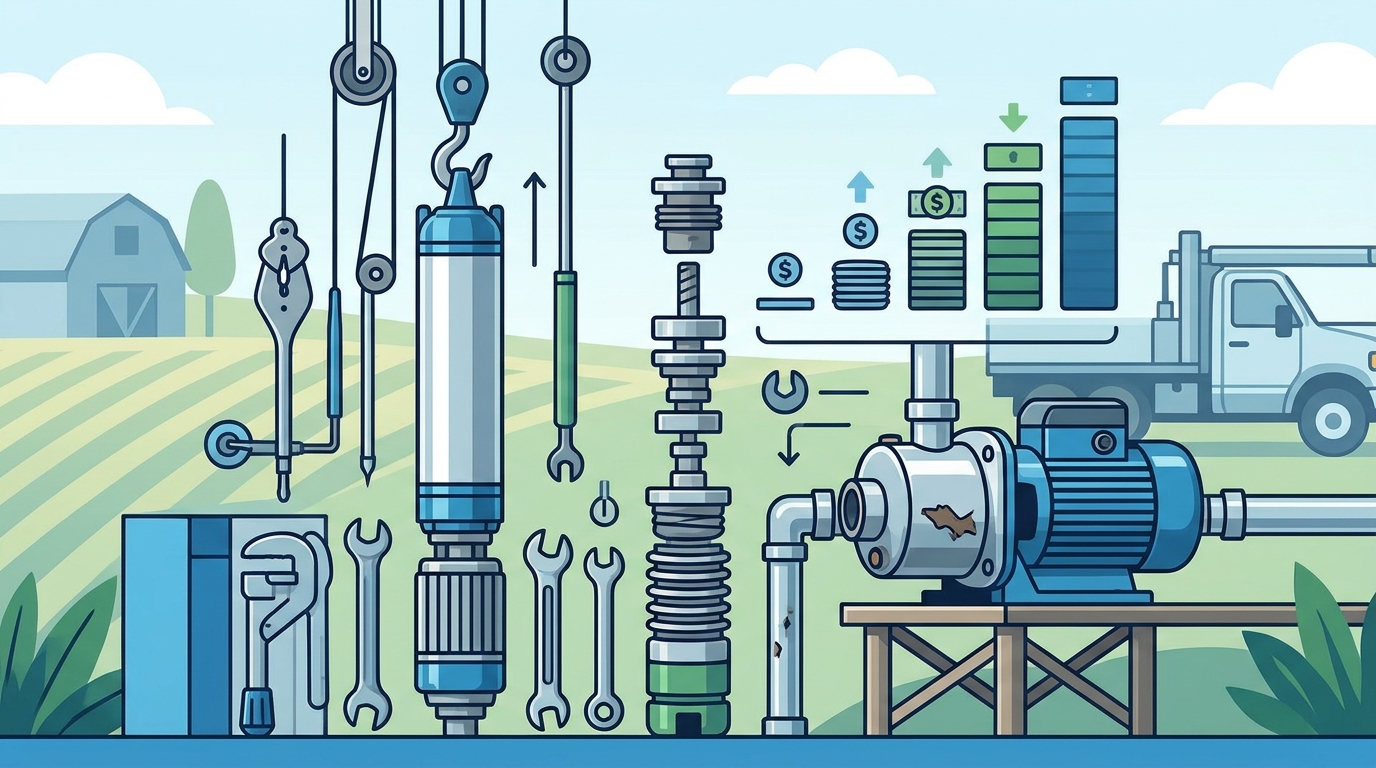
Major pump repairs or replacements can be a significant financial burden for small ranches. Fortunately, many service providers, including LG Drilling, offer financing options to help spread the cost over time. Financing allows you to address urgent repairs without depleting your operating capital. This is particularly useful for full pump replacements, which can cost several thousand dollars.
Key Takeaways
- Well depth and pump type are the primary drivers of labor and parts costs.
- Regular inspections and water treatment can prevent costly failures and extend pump life.
- Emergency service rates are higher but often less than the cost of lost agricultural production.
- Financing options are available to help manage the cost of major repairs.
- Having a backup water source or plan reduces the financial risk of pump failure.
Frequently Asked Questions
How often should I inspect my agricultural well pump?
It is recommended to inspect your well pump at least once a year. More frequent inspections, such as every six months, are advisable if your water has high sediment or mineral content. Regular inspections help identify minor issues before they become major failures.
What is the average lifespan of an agricultural well pump?
With proper maintenance, a submersible well pump can last 10 to 20 years. Jet pumps may last slightly longer but require more frequent maintenance. Factors like water quality, usage, and pump quality affect lifespan.
Can I repair a well pump myself?
Minor issues like tripped breakers or pressure switch adjustments can be handled by homeowners. However, retrieving and repairing submersible pumps requires specialized tools and expertise. It is best to leave major repairs to licensed professionals.
How does well depth affect repair costs?
Deeper wells require more labor and specialized equipment to retrieve and service pumps. A pump at 400 feet is significantly more expensive to repair than one at 100 feet due to the increased difficulty and time involved.
Do you offer emergency service for agricultural wells?
Yes, LG Drilling offers 24/7 emergency service for all well system components. Their team is available around the clock to address water emergencies, ensuring minimal downtime for your agricultural operations.
What is a pressure tank and why is it important?
A pressure tank is a sealed vessel that stores water under pressure to reduce pump cycling. It helps maintain steady water pressure and extends pump life by preventing frequent on/off cycles. A failed pressure tank can cause short-cycling and premature pump failure.
Conclusion
Understanding the costs associated with agricultural well pump repairs is essential for effective budgeting and risk management. By knowing the price ranges for common repairs and the factors that influence them, you can make informed decisions about maintenance and upgrades. Proactive measures, such as regular inspections and water treatment, can significantly reduce the likelihood of costly failures. For ranchers in Cheyenne and Southeast Wyoming, having a reliable service provider like LG Drilling ensures that your water system remains operational, even in emergencies. To discuss your specific needs or schedule an inspection, contact LG Drilling today.